Ancient and Moorish Gibraltar
From Neanderthal caves to Jabal Tariq
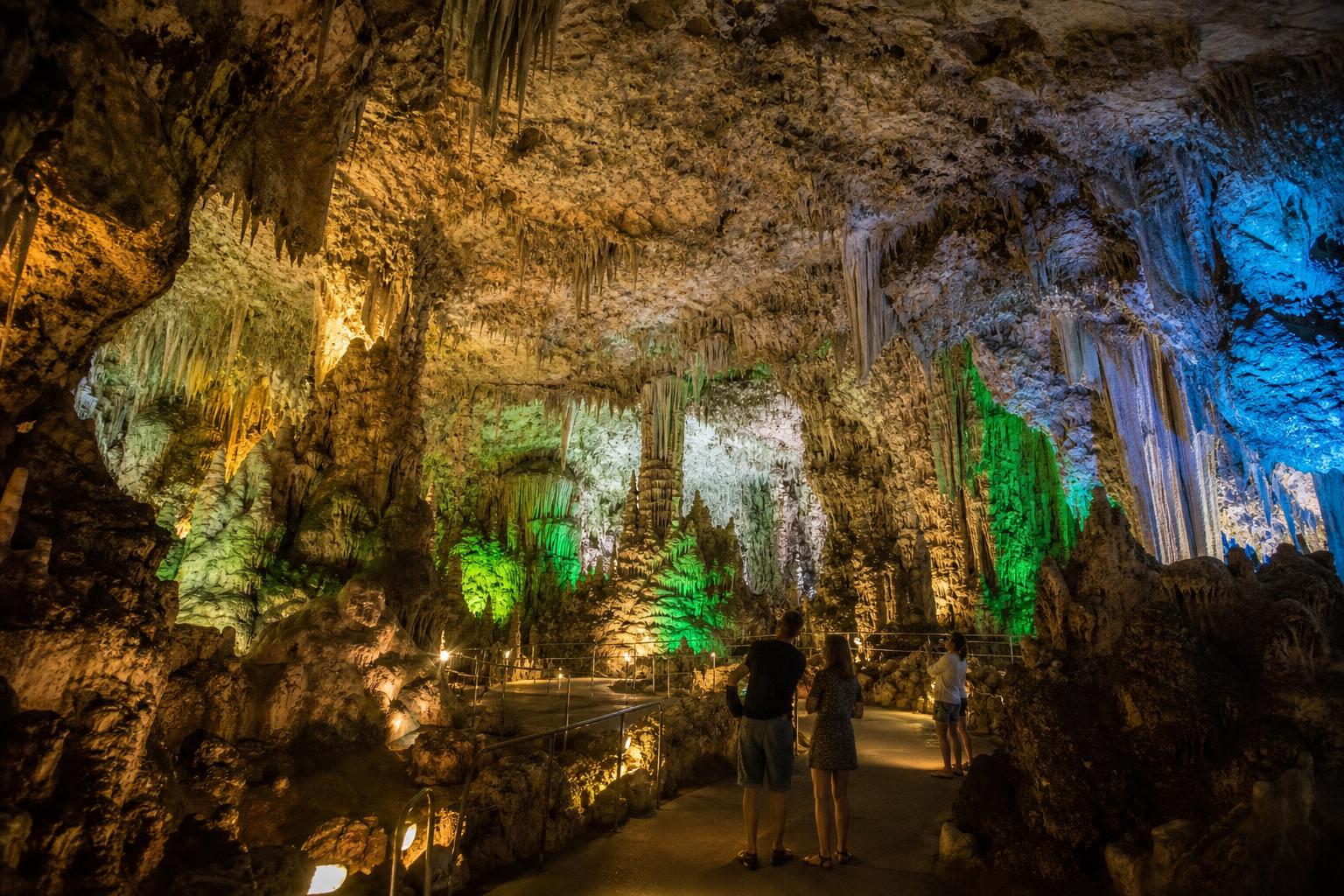
Neanderthal remains at Gorham's Cave show Gibraltar was inhabited tens of thousands of years ago.
The Rock gets its name from Tariq ibn Ziyad, the Berber commander who crossed here in 711 CE, giving rise to Jabal Tariq — the Mountain of Tariq.
Under the Moors, Gibraltar became a fortified stronghold for over seven centuries, with baths, walls and towers, some of which survive today.
Long before flags and treaties, the Rock was already a landmark. Neanderthals lived in its sea caves tens of thousands of years ago, sheltered by cliffs that still frame the Strait today. Centuries later, in 711, the Berber commander Tariq ibn Ziyad crossed from North Africa and gave the rock its lasting name: Jabal Tariq, the mountain of Tariq. From that moment Gibraltar was pulled into the wider story of Al-Andalus, becoming a fortified door between two continents rather than a distant peninsula on the edge of Europe.
- One of the oldest human sites in Europe, thanks to Gorham's Cave.
- The origin of the name Gibraltar itself.
- The start of more than seven centuries of Islamic Iberia visible from here.
- Gorham's Cave complex, a UNESCO World Heritage site on the eastern cliffs.
- The Moorish Castle's Tower of Homage overlooking the town.
- Sections of medieval wall running down towards Casemates Square.
Skipping the Moorish Castle because it looks small from the outside. Its walls carry the oldest layers of Gibraltar's story.
Combine the Moorish Castle with a short stop at the Gibraltar Museum — the Moorish baths there complete the picture of the early city better than any guidebook.
Frequently asked questions
Who was Tariq ibn Ziyad?
A Berber commander who led the 711 crossing from North Africa into Iberia, giving the rock its name Jabal Tariq.
Are Gorham's Cave visits open to the public?
Access is restricted for conservation. Views from the eastern side and the museum in town are the best way to appreciate it.
How old are the Moorish walls?
Most of what stands today belongs to Marinid rebuilding in the 14th century, over earlier layers.
Is there anything left of the medieval baths?
Yes, remains of the Moorish baths are preserved and displayed inside the Gibraltar National Museum.