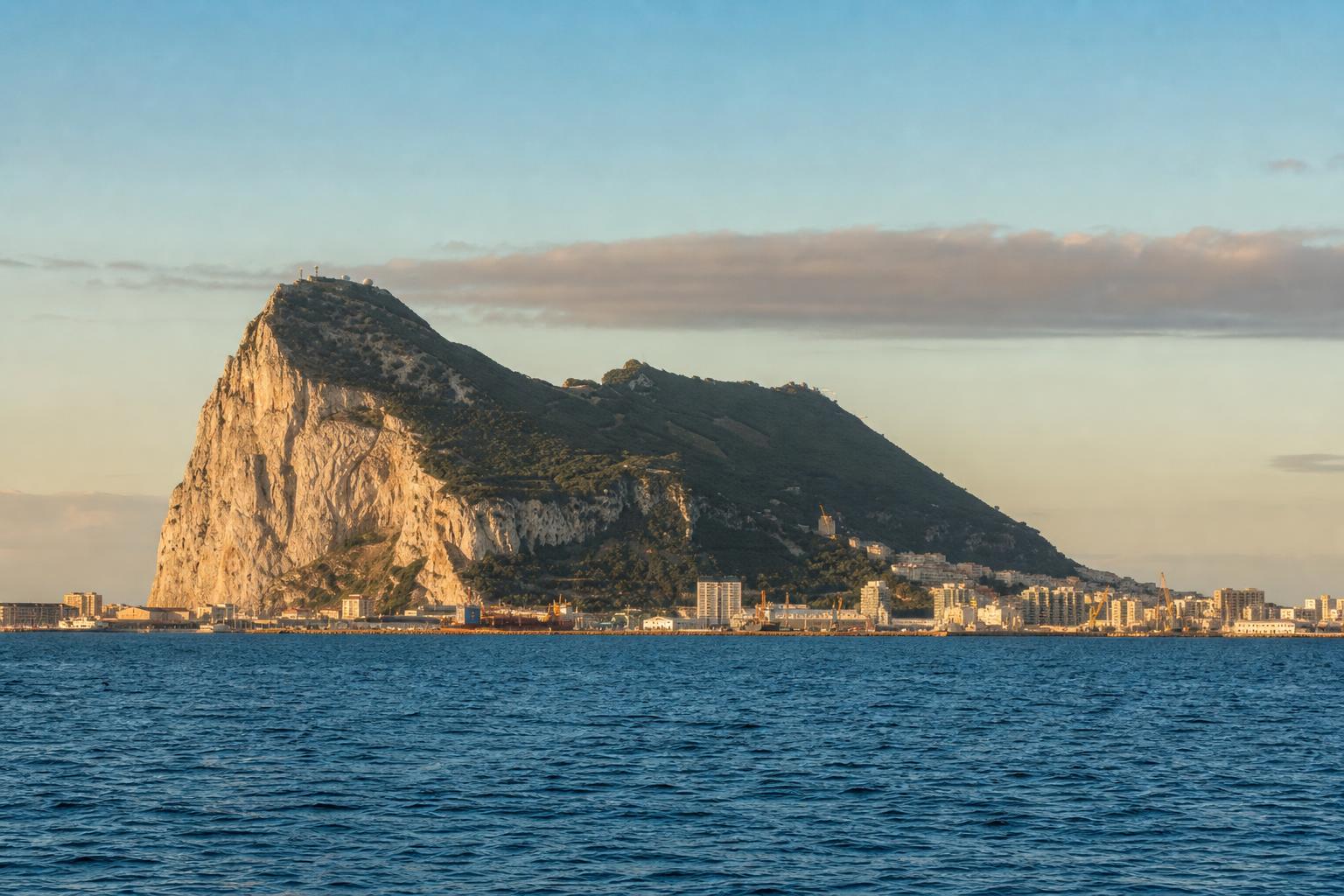
The Rock of Gibraltar
The iconic limestone ridge dominating the strait.
- Best for
- First-time visitors, views
- Accessibility
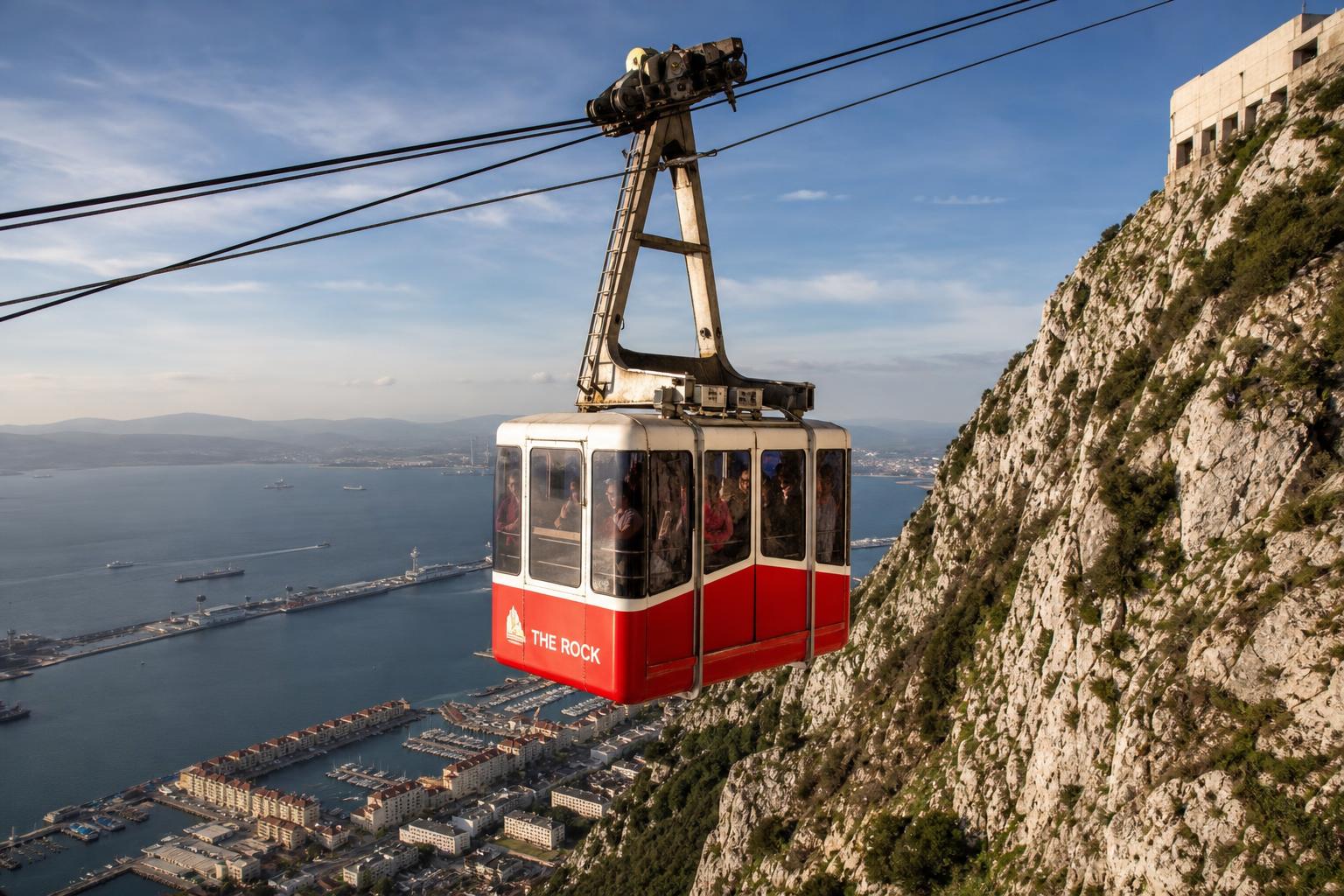
- Top accessed by cable car; many trails are steep.
Intro
The Rock of Gibraltar rises 426 metres above the sea at the southern tip of the Iberian Peninsula. For thousands of years it has been a landmark for sailors and a crossroads of civilisations.
The Rock of Gibraltar is the single image that defines the territory: a sheer limestone monolith rising from the western end of the Mediterranean, shaped over millions of years and shared between Britain, Spain and the sea.
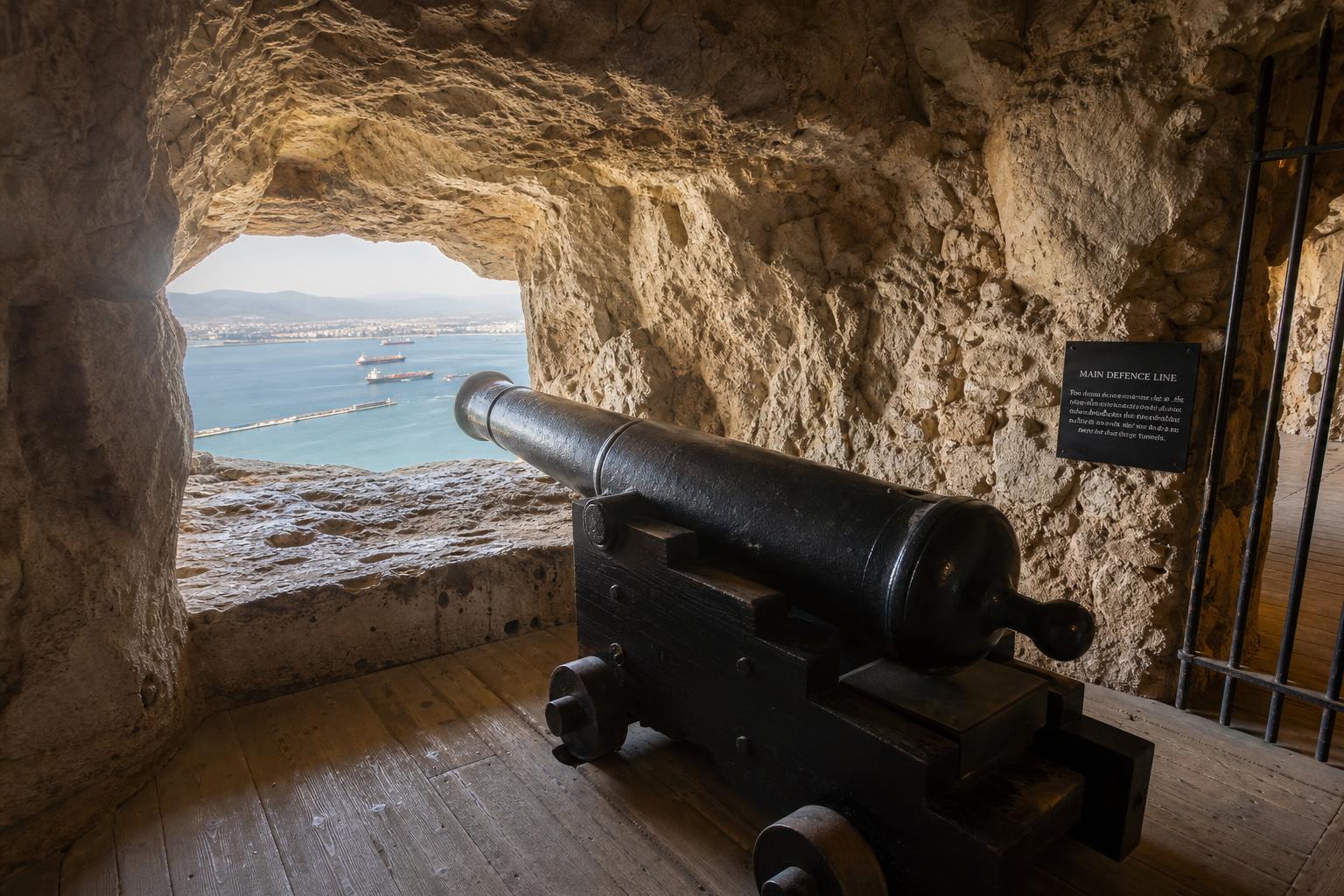
Most of its upper half is a protected nature reserve and a working military landscape rolled into one, with walking paths, viewpoints, caves and tunnels stitched together along the ridge.
Plan your visit by direction of travel: take the cable car up if you want to save time, then drift downhill on foot through the main sights and finish in town.
Morning on a clear day.
Half a day with the Upper Rock.
Why visit
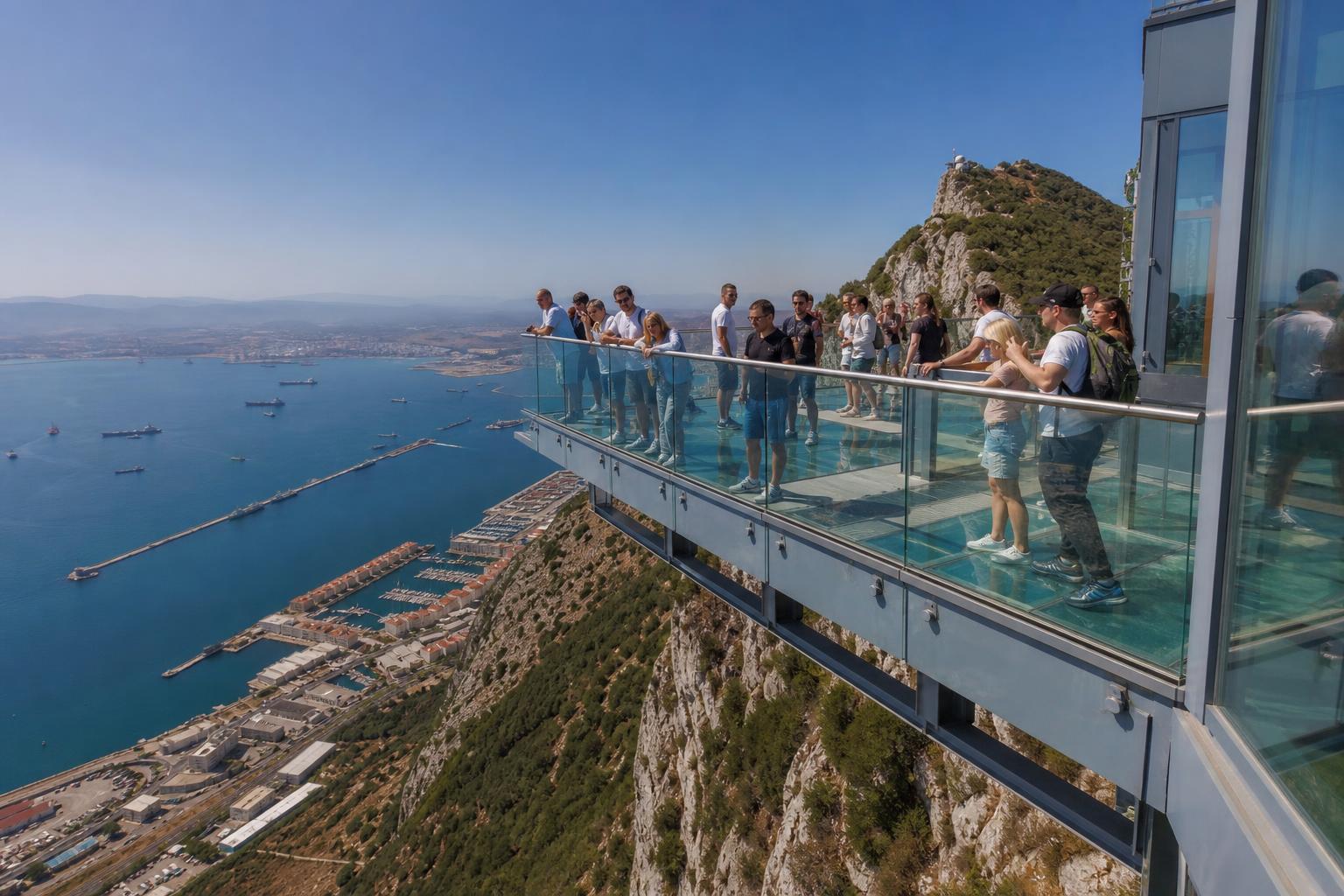
- •Panoramic views of Spain, Africa and the Mediterranean.
- •Home to the famous Barbary macaques.
- •Unique mix of nature, history and strategic geography.
Practical tips
- ›Take water and a light jacket — wind can be strong.
- ›Wear comfortable shoes.
- ›Combine with cable car up and walk down.
Good to know
- The Upper Rock entry is ticketed; the cable car ticket and the Nature Reserve ticket are separate products.
- Wind on the ridge can be much stronger than at the base, especially during Levante (easterly) days.
- Mobile signal switches between Spain and Gibraltar near the top — disable roaming if you want to avoid surprises.
Common mistakes to avoid
- Booking only one direction by cable car when the line at the bottom is shortest in the morning.
- Wearing flip-flops or fashion shoes — paths are real terrain.
- Carrying open food in the reserve, which attracts the macaques.
Frequently asked
Can I walk up the Rock instead of taking the cable car?
Yes. The Mediterranean Steps and other paths reach the top, but it is a real climb and not recommended in heat.
Are the monkeys dangerous?
They are wild animals. Keep your distance, hide food and never touch them.
How long do I need on the Rock?
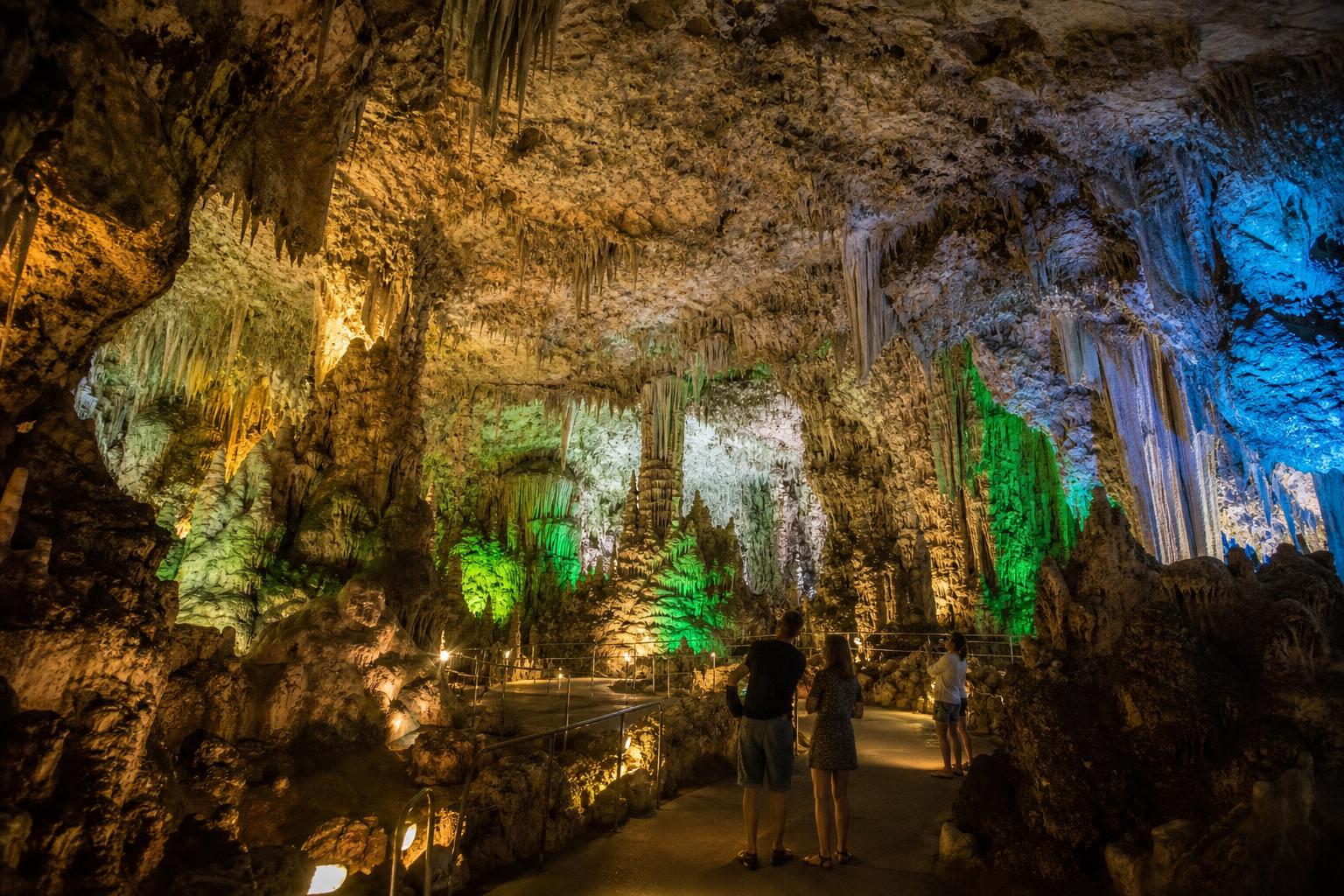
Plan at least half a day to combine cable car, Skywalk, St. Michael's Cave and the tunnels.
Check official information before travelling.
Local guide
- Three continents visible on a clear day: Europe, Africa and the Strait.
- A rare mix of nature reserve, wild macaques and military history.
- Every viewpoint tells a different story of the Rock.
Go up early — the light is softer, the queues shorter and the macaques calmer before the tour buses arrive.
Ask AnuThe Skywalk platform for the Strait shot, or the cable car top station facing Africa.
Buying only a one-way cable car ticket without a Nature Reserve pass, then discovering the main sights are inside the reserve.
Cruise-ship mornings can fill the Upper Rock; check the port schedule if you want it quieter.
- Bring a windproof layer even in summer — the ridge is exposed.
- Keep food inside a closed bag; macaques associate open bags with snacks.
Nearby & continue exploring
Frequently asked
How long do I need on the Rock?
Half a day covers the main viewpoints, cave and tunnels; a full day lets you walk down through the Upper Rock without rushing.
Is the Rock safe with kids?
Yes, on the marked paths. Keep small children close near the macaques and never feed them.